

A soldier returns to the federal PT clinic with tight, sore hamstrings after a road march. In the next room, another service member sits with a swollen ankle from a fall during physical fitness testing. Both ask the same question: ice or heat? But the answer isn't the same. One patient needs cold to manage inflammation. The other needs heat to restore range of motion. The difference isn't habit or preference. It depends on what tissue is damaged and what stage of healing it's in.
In federal healthcare settings, thermal modalities like ice and heat represent low-cost, low-risk options that support our mission to provide high quality care to our nation's service members and federal employees. They're deployable in garrison clinics, field environments, and during telehealth-guided home programs. But thermal therapy works best when we match the modality to the injury stage and the tissue goal. A mismatch delays recovery and extends the return-to-duty timeline. A clear decision framework eliminates guesswork and ensures consistency across clinics and duty stations.
This post outlines an evidence-based framework for choosing heat, cold, or contrast sequences for acute and chronic musculoskeletal cases. We'll show you how to integrate thermal therapy into a non-pharmacologic pain management strategy that supports readiness, disability prevention, and long-term cost control. Our focus here is on grounding the decision in tissue stage and clinical outcomes, not tradition or convenience.
How thermal therapy fits into non-pharmacologic pain management
Federal PT clinics prioritize non-pharmacologic modalities before or alongside pharmacologic interventions, in line with federal priorities to reduce opioid exposure. Heat and cold therapy sit at the center of this approach. The CDC recommends nonpharmacologic therapies, including heat and cold treatment, as first-line options before opioid therapy for pain management in many conditions. Thermal therapy is accessible, reproducible, and safe in most populations when applied correctly.
The key is matching modality to injury stage. Acute injuries need cold to limit swelling and blunt pain signaling. Subacute injuries benefit from contrast therapy to support circulation and prepare tissue for loading. Chronic pain patterns respond better to heat applied before therapeutic exercise, since it reduces muscle guarding and increases tissue extensibility. We encourage PTs and PTAs to build these distinctions into every plan of care, so members understand which modality addresses which tissue goal.
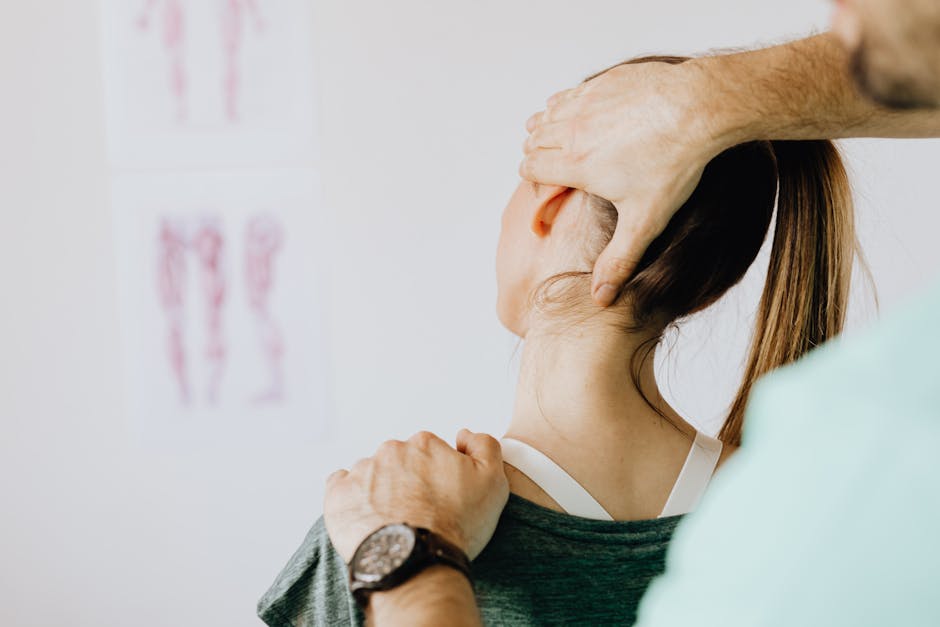
Thermal therapy also supports our broader commitment to non-pharmacologic management of pain. As we explain in our guide to non-pharmacologic pain management strategies, thermal modalities pair with manual therapy, exercise progression, and patient education to create a multimodal approach that federal patients can use in the field or at home.
What are the mechanisms and efficacy of heat and cold therapies for musculoskeletal injury?
Understanding the mechanism behind each modality sharpens the decision framework. Cold therapy triggers vasoconstriction, slows nerve conduction velocity, and lowers local tissue metabolic rate. This limits edema formation and blunts pain signaling for approximately 48 to 72 hours after acute injury. Heat therapy produces vasodilation, increases local blood flow, and improves collagen extensibility. This reduces muscle spasm and prepares tissue for stretching or mobilization.
Neither modality functions as standalone treatment. Both are adjuncts to active exercise and the movement progressions that drive return to duty. Efficacy evidence is strongest for short-term pain relief measured in hours to a few days, not long-term structural healing. The pain relief they provide is real and clinically useful, but it's temporary. That's why we pair thermal therapy with therapeutic exercise that addresses the underlying dysfunction.
"Cryotherapy produces localized vasoconstriction and reduced nerve conduction velocity, while thermotherapy produces vasodilation and increased tissue extensibility, the physiological basis for their differing clinical indications."
Gate control theory explains part of the analgesic effect for both modalities. Thermal input competes with pain signals at the spinal cord level, effectively dampening pain perception before it reaches the brain. This mechanism works for both heat and cold, but the tissue-stage context determines which modality will actually advance recovery.
Two types of dry heat therapy federal clinics use
Dry heat delivery systems are portable, easy to teach, and suitable for duty-station environments where moist heat packs and warm water are impractical.
- Electric heating pads: Deliver continuous, adjustable dry heat and are the most commonly issued modality for home exercise programs and barracks use. Members can wear them under a uniform during light duty work and adjust temperature to comfort.
- Chemical or gel packs and dry heat wraps: Activated by air exposure, microwave, or chemical reaction, they provide portable, low-duration heat for 4 to 8 hours. Useful for deployable settings where clinic access is limited.

Contrast dry heat with moist heat sources such as hydrocollator packs and warm hydrotherapy. Moist heat penetrates more effectively but requires clinic equipment and closer skin monitoring. For federal duty stations and field use, dry heat is often the practical choice.
Dry heat application should be capped at roughly 20 minutes per session on intact skin and is contraindicated over acute inflammation, open wounds, or areas of impaired sensation. Always document the member's skin response and adjust duration if redness or discomfort persists beyond the treatment window.
Should sore muscles after a workout get heat or cold?
Delayed-onset muscle soreness (DOMS) following physical training or fitness testing typically improves within 48 to 72 hours. The question of heat versus cold matters because the wrong choice delays recovery and extends perceived soreness. Heat applied within the first 24 to 48 hours after training reduces perceived soreness more effectively than ice. Reserve cold for a genuine acute strain or sprain marked by sharp pain, localized swelling, and a clear mechanism of injury, rather than routine post-workout stiffness.
Heat applied before activity increases tissue extensibility and can lower reinjury risk during return-to-training. Cold applied after activity has not been shown in current research to speed muscle recovery or prevent DOMS. This distinction matters for duty readiness: a member experiencing soreness after PT testing benefits from heat applied pre-session before the next training block.

As we discuss in our resource on chronic pain in military service members, the pain experience shapes recovery. For soreness that arises from training itself, heat-forward protocols support recovery and psychological confidence in return to duty better than cold-forward protocols.
Which is better for back pain, ice or heat?
Acute low back pain and chronic mechanical low back pain demand different thermal strategies. For acute episodes within the first 48 to 72 hours, cold is indicated if swelling or clear inflammatory signs are present. Ice applied 15 to 20 minutes several times daily can reduce guarding and acute flare pain. However, if the member reports tightness and stiffness without major swelling, heat often works faster.
Chronic or recurrent mechanical low back pain in federal patients typically responds better to heat applied before therapeutic exercise. Heat reduces muscle guarding, improves range of motion, and prepares the spine for the active progressions that drive long-term recovery. Grading a return-to-duty timeline for back pain requires coupling thermal therapy with the active exercise progression outlined in your practice's low back pain protocol.
For a deep dive into the assessment and management of persistent back pain, see our post on low back pain management without surgery. Thermal therapy is one tool in a multimodal plan that emphasizes movement, postural training, and functional progression.
When alternating ice and heat, which comes first?
Contrast therapy, alternating warm and cold, supports subacute recovery when used at the right stage. For a fresh musculoskeletal injury, the rule is simple: cold comes first. Apply ice for the initial 48 to 72 hours to control swelling before introducing heat. Applying heat too early, before swelling resolves, increases vasodilation and can worsen edema, delaying the return-to-duty timeline.
Once swelling has stabilized, contrast therapy can enhance circulation. A standard protocol runs 3 to 4 minutes warm, 1 minute cold, repeated for 3 to 4 cycles, ending on cold to prevent rebound swelling. This approach fits subacute sprains, strains, and post-exercise recovery. Do not use contrast therapy for fresh acute injury or active infection and inflammation.
"Contrast therapy alternates warm and cold water or packs to stimulate circulation, and clinicians generally recommend starting with cold when swelling is present, finishing the cycle on cold."
Document the contrast protocol you selected and the member's response in the plan of care. This record supports cross-agency communication if the member transitions to a different federal duty station or provider.
Matching cold and heat protocols to tendonitis and chronic overuse injury
Tendon pain requires stage-specific attention because the inflammatory signature changes over time. Acute tendonitis and chronic tendinopathy are different conditions that call for different thermal strategies.
- Acute tendonitis (0-6 weeks): New-onset pain with palpable warmth, swelling, and reduced function. Responds to ice, rest from aggravating activity, and gentle mobility.
- Chronic tendinopathy (6+ weeks): Persistent pain, often without swelling, with a degenerative pattern. Responds better to heat, load management, and eccentric strengthening.
Ice applied 15 to 20 minutes, 3 to 4 times daily, is indicated for acute tendonitis alongside relative rest from the aggravating duty task. The goal is to limit inflammation and create a window for load management and gentle mobility.
In chronic cases, heat applied before eccentric loading exercise works better than ice. Cold therapy for pain control functions as a brief pre-exercise analgesic, allowing pain-free loading, rather than as the primary treatment. As we detail in our guide to manual therapy techniques, tissue mobilization paired with heat prepares the tendon for progressive strengthening.
Grading a return-to-duty plan for tendon-related pain requires objective progression notes that record which modality and exercise stage the member is in. Federal disability evaluations depend on this documentation to track improvement and justify duty restrictions or clearance.
Building the decision framework into every federal plan of care
We encourage our members to codify heat-versus-cold criteria into clinic-level protocols so decisions stay consistent across duty stations and support cross-agency communication. A simple one-page tool that lists injury stage, tissue goal, and the recommended thermal approach helps PTs and PTAs make the same choice for the same problem every time. Consistency improves member compliance and trust.
When a case calls for a modality decision beyond thermal therapy alone, point members toward our broader resources on federal scope of practice for physical therapists. Confirm that modality delegation to PTAs is documented under your agency's scope guidance before building it into a standing clinic protocol. This protects both the member and the provider and ensures accountability.
Consistent documentation of thermal-modality rationale supports readiness, disability prevention, and long-term cost control across the federal health system. When every provider records why they chose heat or cold, patterns emerge that can improve protocols and inform quality initiatives. The decision framework we've outlined here is not a rigid rule. It's a tool that helps you make transparent, evidence-informed choices every day.